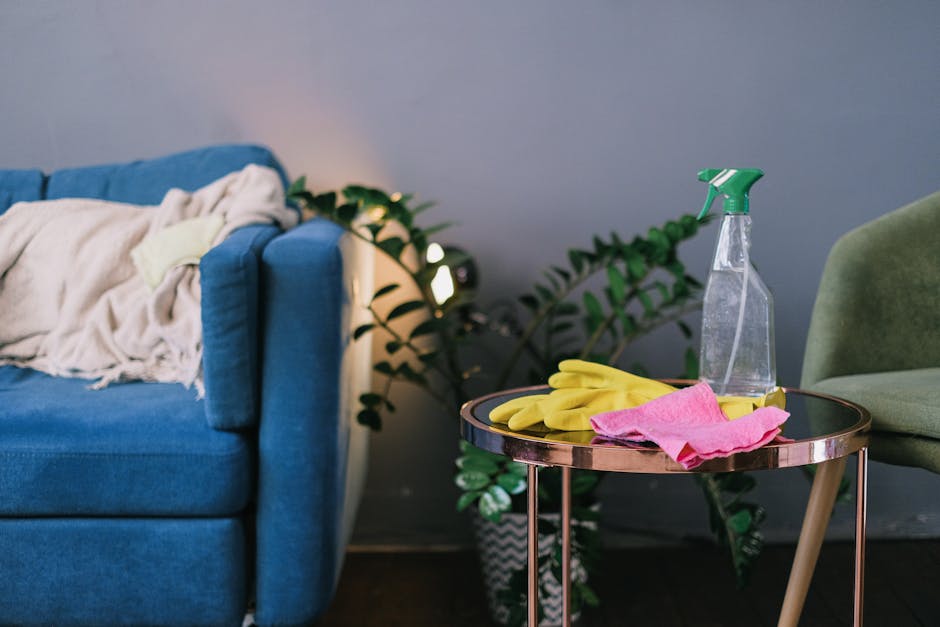
Simple steps to deep clean sofas without harsh chemicals
If your sofa looks tired, smells a bit stale, or has picked up the usual mix of crumbs, pet hair, and day-to-day marks, you do not always need strong products to put it right. In fact, simple steps to deep clean sofas without harsh chemicals can be surprisingly effective when you use the right method and give the fabric a little patience. The trick is not brute force. It is preparation, the right order, and knowing what not to soak.
Whether you are dealing with a fabric corner sofa in a busy family room, a light-coloured two-seater that shows every mark, or an armchair that has somehow become the pet's favourite spot, the same basic approach applies. Clean gently, work in stages, and let the fabric do most of the work. Sounds almost too easy, but that is often the point.
This guide walks through the process in plain English: why it matters, how it works, which tools help, what mistakes to avoid, and when it makes sense to call in professional help such as sofa cleaning or broader upholstery cleaning. You will also find a practical checklist and a real-world example, because let's face it, sofa cleaning usually happens on a Saturday afternoon when you would rather be doing almost anything else.
Why Simple steps to deep clean sofas without harsh chemicals Matters
A sofa is one of the hardest-working pieces of furniture in the home. It gets food crumbs, dust, pollen, skin oils, pet dander, muddy sleeves, drink spills, and the occasional mystery mark nobody wants to claim. Over time, that build-up sits in the fibres and cushions, which is why a quick vacuum alone often leaves the sofa looking tidy but not truly clean.
Choosing gentle methods matters for several reasons. First, many sofas have delicate fabrics or finishes that can be dulled, discoloured, or weakened by aggressive detergents. Second, homes with children, pets, asthma concerns, or chemical sensitivities often benefit from lower-residue cleaning. Third, heavy chemical use can leave a lingering smell that is not exactly fresh; more "cleaning cupboard" than living room. Not ideal.
There is also a practical angle. Sofas are expensive to replace, and regular deep cleaning can help them stay presentable for longer. A well-kept sofa can make the whole room feel calmer and cleaner, even if the rest of the house has the usual lived-in chaos. Truth be told, that one visible item in the lounge often sets the tone for everything else.
How Simple steps to deep clean sofas without harsh chemicals Works
Gentle sofa deep cleaning works by breaking the job into stages rather than flooding the fabric with one strong product. You remove loose dirt first, then lift surface grime, then treat marks, and finally refresh and dry the upholstery properly. That order matters.
The basic principle is simple: less product, better technique. Instead of relying on harsh solvents, you use controlled moisture, mild cleaning solutions, microfibre cloths, suction, and careful blotting. This reduces the chance of overwetting the padding or leaving sticky residue behind, which can attract more dirt later.
The method also changes depending on the fabric. Cotton blends, synthetic upholstery, velvet, linen, and leather all behave differently. A fabric that handles a light water-based solution well might react badly to scrubbing or too much moisture. That is why checking the care label is not optional. It is the bit people skip, then wonder why the arm of the sofa looks a shade lighter than the rest. A small, annoying detail - but a very expensive one if ignored.
If the cleaning tag says the fabric is suitable for water-based cleaning, you can usually proceed carefully. If it says solvent-only or dry clean only, be much more cautious and consider professional advice from a trusted cleaning company that understands upholstery fabrics properly.
Key Benefits and Practical Advantages
Using a gentle approach is not about being soft for the sake of it. It has real benefits.
- Safer for many fabrics: Mild solutions and low-moisture methods reduce the risk of fading, ring marks, and texture damage.
- Better for households with children or pets: Lower chemical residue means fewer concerns about skin contact or lingering odours.
- More affordable: You can often achieve a good result with basic household tools rather than specialist products.
- Improves everyday hygiene: Removing dust and body oils helps the sofa feel cleaner and fresher, not just look it.
- Extends furniture life: Regular maintenance stops dirt from becoming embedded and abrasive.
There is another advantage that people sometimes overlook: the process is repeatable. Once you learn how to do it properly, you can keep on top of the sofa every few months instead of waiting until it looks properly grim. That makes the whole job less stressful. Much less.
If your sofa cleaning needs are part of a broader home reset, it may also help to think about the rest of the property. Many households pair upholstery care with deep cleaning or regular domestic cleaning so the whole room feels fresher rather than just one item standing out.
Who This Is For and When It Makes Sense
This approach suits most people who want to refresh a sofa without strong-smelling or heavy-duty chemicals. It is especially useful if:
- you have young children or pets;
- the sofa only needs a seasonal refresh, not a major restoration;
- there are mild spills, surface marks, or day-to-day grime;
- you are trying to reduce chemical use in the home;
- you want to protect a new or lightly used sofa;
- you are preparing a property for guests, photos, or a tenancy handover.
It is also a sensible option if you are cleaning a sofa as part of general home maintenance rather than responding to one dramatic stain. In those cases, a patient, gentle method usually gives the best balance of results and safety.
That said, not every sofa should be treated the same way. Heavy contamination, deep-set pet odours, ink marks, or unknown stains may need specialist assessment. If in doubt, a reputable provider such as one-off cleaning can be a smart choice when the job is bigger than a quick home refresh.
Step-by-Step Guidance
Here is the straightforward method. Keep it simple. Keep it controlled. And do not rush the drying stage, even if the sofa looks nearly done.
1) Check the care label
Find the manufacturer's care tag, usually under a cushion or along the base. Look for cleaning codes and any fabric-specific instructions. If the label is missing, faded, or unclear, test very cautiously in an out-of-sight area.
As a rule of thumb, unknown fabric plus too much water equals trouble. Not always, but often enough to be worth respecting.
2) Vacuum thoroughly
Use a vacuum with an upholstery attachment to remove crumbs, dust, hair, and debris from the seat, back, arms, and creases. Pay close attention to seams and around cushions. This is the part people underestimate, yet it makes the biggest difference to the final finish.
If you have pets, use a lint roller or rubber glove first to loosen embedded fur. You will notice the vacuum works far better afterwards.
3) Brush the fabric lightly
For some materials, a soft upholstery brush helps lift dust from the pile and freshen the surface. Be gentle. The aim is to loosen dirt, not roughen the fibres.
4) Mix a mild cleaning solution
For many washable fabrics, a small amount of mild washing-up liquid or gentle liquid soap in lukewarm water is enough. Do not make the water too soapy. More foam is not more clean; it is often just more residue.
If you prefer a naturally based option, a diluted white vinegar solution may help with certain odours and light marks, but it is not suitable for every fabric. Always test first. A subtle smell of vinegar should disappear as the sofa dries, though some fabrics may react badly, so caution matters.
5) Spot test first
Dab a little of the solution onto a hidden area and wait until it dries. Check for colour transfer, texture change, or staining. If there is any reaction, stop and use a different method.
6) Treat marks by blotting, not scrubbing
Use a clean microfibre cloth, dampened rather than soaked, and blot the stain from the outside in. This helps stop the mark spreading. For sticky marks, gently lift the residue before applying moisture.
Scrubbing feels satisfying for about two seconds. Then it usually makes things worse.
7) Work section by section
Clean one small area at a time. Use light pressure, minimal moisture, and regular cloth changes. When a cloth gets dirty, swap it out. Otherwise, you are just moving grime around the sofa.
8) Rinse lightly if needed
If the fabric tolerates it, wipe the cleaned area with a fresh cloth dampened with plain water to remove leftover detergent. Residue can attract dirt later, so this stage is worth doing properly.
9) Absorb excess moisture
Press a dry towel onto the cleaned sections to lift remaining dampness. Avoid soaking through to the cushions beneath. You want clean fabric, not a soggy sofa.
10) Let it dry fully
Open windows if weather and security allow, or use a fan to improve airflow. Keep cushions separate if possible. Do not sit on the sofa until it is properly dry, because body heat and pressure can set marks back in. On a damp British afternoon, that may take longer than you want. Patience is the boring part, but it matters.
Expert Tips for Better Results
Small improvements make a big difference here. A few practical habits can turn a decent clean into a genuinely good one.
- Always clean top to bottom: Work from the back and arms down toward the seat cushions so loosened dirt does not drop onto already cleaned areas.
- Use white cloths where possible: Coloured cloths can transfer dye, especially when damp.
- Change water regularly: Dirty water equals muddy cleaning. Simple as that.
- Do not overload the fabric: A little moisture is enough for most everyday sofa cleaning.
- Deal with smells at the source: If odours keep returning, they may be in the filling or cushions, not just the surface.
- Lift cushions and clean underneath: You would be surprised how much debris hides there. It is never glamorous, but it is always worth it.
If your sofa has a delicate finish such as velvet or a brushed texture, use shorter strokes and lighter pressure. If it is a synthetic family sofa, you may have a little more room for gentle agitation, though still not much. Respect the fabric and it usually returns the favour.
For homes where cleaning is part of a regular routine, it can be useful to align sofa care with home cleaners or house cleaning visits. That way the sofa is not left until the end of a long list of jobs, which is how it often gets forgotten.
Common Mistakes to Avoid
Most upholstery mishaps come from a few predictable errors. Avoid these and your results will improve fast.
| Mistake | Why it causes problems | Better approach |
|---|---|---|
| Using too much water | Can soak the filling, cause marks, and slow drying | Use a damp cloth, not a wet one |
| Scrubbing stains hard | Spreads the stain and damages fibres | Blot gently and work from the edge inward |
| Skipping a spot test | Unexpected fading or texture change can occur | Always test in a hidden place first |
| Using strong detergents | May leave residue or harm fabric finishes | Choose a mild solution and rinse lightly if needed |
| Putting cushions back too soon | Traps moisture and can create odour | Allow full drying before reassembling |
Another common one: people clean only the visible stain. Then the cleaned patch looks lighter than the rest of the sofa, which can be just as annoying. Treat a broader section when needed so the finish stays even. Not perfect, but much better.
Tools, Resources and Recommendations
You do not need a cupboard full of specialist products to do this properly. A few basic tools are enough for most homes.
- Vacuum cleaner with upholstery attachment
- Soft upholstery brush
- Microfibre cloths
- Two clean buckets or bowls for solution and rinse water
- Mild washing-up liquid or gentle soap
- White towels for drying
- Fan or good ventilation to speed drying
If you are considering professional help, look for a provider that offers upholstery-specific care rather than a one-size-fits-all approach. That matters more than people realise. A knowledgeable cleaner or team that understands fabric types, moisture control, and drying can save you hassle in the long run.
For households that want a broader refresh, it can also help to plan around other jobs such as carpet cleaning, rug cleaning, or even window cleaning if the living room needs a full lift. One clean thing often makes the others look better too. Funny how that works.
Law, Compliance, Standards, or Best Practice
For most homeowners, sofa cleaning is a practical household task rather than a regulated process. Even so, there are sensible UK best-practice points to keep in mind, especially if you hire a professional service.
Responsible providers should use methods that are suitable for the material, follow basic health and safety practices, and handle products carefully. If a company operates in your home, it should be able to explain its process clearly and manage risks such as slips, electrical safety around drying equipment, and fabric compatibility. Those are normal expectations, not fancy extras.
If you are comparing services, it is reasonable to ask about insurance, safety procedures, and what happens if a fabric reacts badly. A transparent company should not mind those questions. In fact, the answer usually tells you a lot about how they work.
For anyone who prefers to understand the business side first, pages like insurance and safety, health and safety policy, and terms and conditions are useful signs that a company takes the work seriously. The same goes for clear information on privacy and payment and security when arranging service online.
Options, Methods, or Comparison Table
Not every sofa needs the same level of cleaning. Here is a quick comparison to help you decide what makes sense.
| Method | Best for | Pros | Limitations |
|---|---|---|---|
| Vacuum + mild spot cleaning | Light dirt, crumbs, small marks | Low cost, low risk, easy to repeat | Won't handle deep odours or heavy soiling |
| Gentle full upholstery clean | General refresh across the whole sofa | Better overall appearance and freshness | Needs drying time and careful testing |
| Steam or hot water extraction | Some washable fabrics with deeper grime | Can reach deeper into fibres | Not suitable for every material; moisture control matters |
| Professional upholstery cleaning | Delicate fabrics, stubborn marks, large sofas | More thorough and less risky for tricky items | Higher cost than DIY |
For many households, the best answer is a mix: regular vacuuming, occasional gentle spot treatment, and periodic professional cleaning when the sofa needs more than a surface refresh. That is the sweet spot, really.
Case Study or Real-World Example
Imagine a family living room in a typical London terrace. The sofa is a neutral fabric three-seater that looked fine at Christmas, then slowly picked up the usual signs of life: biscuit crumbs in the corners, a faint patch where someone always sits, and a couple of marks on one arm from drinks and sticky hands.
Rather than reaching for a strong spray, the homeowner starts with vacuuming, including the gaps under the cushions. They test a mild soap solution on the back of the sofa, then blot the arm marks with a microfibre cloth. The larger seating area gets a light all-over clean so the colour stays even. A fan runs for the afternoon, and by evening the sofa smells fresh without any chemical bite.
The useful part is not that the sofa becomes showroom-perfect. It does not. But it looks cleaner, feels more pleasant, and the family stops avoiding the pale cushion on the end. That is a win in the real world. Not dramatic, just genuinely useful.
For homes that want a slightly more thorough finish without turning it into a weekend project, a local professional team offering sofa cleaning can handle the heavier lifting while still using fabric-appropriate, careful methods.
Practical Checklist
Use this quick checklist before you begin.
- Read the care label and identify the fabric type.
- Vacuum the entire sofa, including seams and under cushions.
- Gather clean cloths, mild soap, a brush, and dry towels.
- Spot test the cleaning solution in a hidden area.
- Blot stains gently rather than scrubbing them.
- Clean in small sections and avoid over-wetting.
- Rinse lightly if appropriate for the fabric.
- Dry with towels and allow plenty of ventilation.
- Let the sofa dry fully before using it again.
- Reassess stubborn marks before trying a second method.
Expert summary: The best chemical-free sofa clean is usually not one dramatic treatment. It is a calm sequence of careful steps, mild solution, and proper drying. That is what protects the fabric and gives the sofa a fresher finish.
Conclusion
Deep cleaning a sofa without harsh chemicals is absolutely doable, and for many households it is the smarter, safer first choice. Start with the fabric label, vacuum thoroughly, use a mild solution sparingly, blot instead of scrubbing, and give the sofa time to dry properly. Those simple habits do more than most people expect.
If you remember only one thing, make it this: gentle methods often produce the best long-term results. They help your sofa look cleaner, smell fresher, and last longer without putting unnecessary stress on the fabric. And once you get into the rhythm of it, the whole process feels less like a chore and more like proper home care.
If the sofa is especially delicate, heavily soiled, or just not coming up the way you hoped, it may be time to speak with a professional. A careful service can save a lot of guesswork, and honestly, sometimes that is the most sensible route.
Get a free quote today and see how much you can save.
Frequently Asked Questions
Can I deep clean a sofa without using chemical sprays?
Yes. For many fabric sofas, a mild soap solution, careful blotting, and good drying are enough for a solid refresh. The key is testing first and keeping moisture under control.
What is the safest homemade solution for sofa cleaning?
A very mild mix of lukewarm water and a small amount of gentle liquid soap is often the safest starting point. Always spot test first, because fabrics behave differently.
How often should I deep clean my sofa?
For most homes, a light deep clean every few months is sensible, with vacuuming in between. Homes with pets, children, or heavy use may need attention more often.
Can I use vinegar on my sofa?
Sometimes, but not always. Vinegar can help with certain odours and marks on suitable fabrics, yet it can also affect delicate materials. Spot test carefully before using it more widely.
Why does my sofa look worse after cleaning?
That usually happens because of overwetting, residue, or uneven cleaning. It may also be a fabric reaction. Drying properly and cleaning larger sections can help avoid patchy results.
Is steam cleaning considered chemical-free?
Steam cleaning uses heat and moisture rather than chemical detergents, but it is not suitable for every fabric. Some sofas can shrink, warp, or develop marks if too much moisture is used.
How do I remove smells from a sofa naturally?
Vacuum thoroughly, let fresh air circulate, and use minimal moisture with a mild solution. If odours are deep in the cushions or filling, a professional clean may be more effective.
What should I do if the sofa care label is missing?
Treat the sofa cautiously. Start with vacuuming and the smallest possible spot test in a hidden area. If you are unsure, ask a professional rather than guessing.
Can I clean leather sofas the same way?
No, leather needs a different approach. It is usually cleaned with products and methods designed for leather, not water-based fabric cleaning. Always check the material first.
How long does a sofa take to dry after gentle cleaning?
Drying time varies depending on fabric, ventilation, and how much moisture was used. In a well-ventilated room, it may be a few hours, but some sofas take longer.
When should I call a professional instead of doing it myself?
If the sofa is delicate, very dirty, smells strongly, or has a stain you cannot identify, professional help is a sensible option. It can prevent damage and save time.
Do professional sofa cleaners use harsh chemicals?
Not necessarily. Many reputable services use fabric-safe, low-residue methods suited to the material. It is reasonable to ask what they use and how they protect your upholstery.
Can sofa cleaning be part of a bigger home clean?
Absolutely. Many people combine sofa care with broader services such as deep cleaning or house cleaning so the room feels fully refreshed rather than just partly done.
What is the biggest mistake people make when cleaning sofas at home?
Using too much water and scrubbing too hard. Those two habits cause a lot of avoidable problems. Gentle, patient cleaning almost always works better.
There is something quietly satisfying about getting a sofa back to feeling fresh again. Nothing dramatic, just that small lift in the room when the fabric looks cared for and the whole space breathes a bit easier.